Ear Pain: A Common Complaint
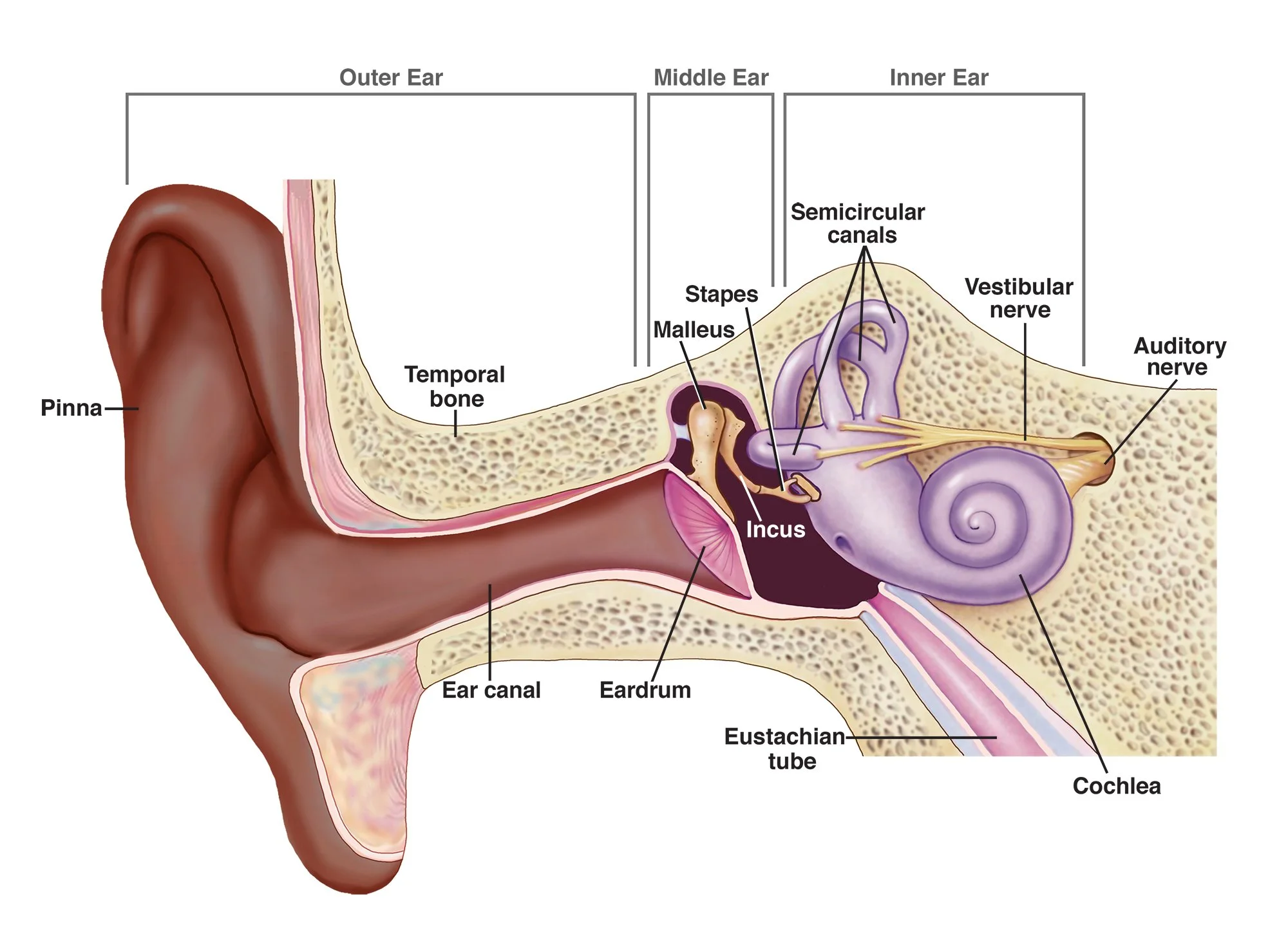
When your child is dealing with ear pain, it’s often a stressful experience for both of you. Understanding whether it's being caused by ear infection, wax buildup, or fluid behind eardrums is the first step in helping them feel like themselves again.
A Parent’s Guide to Ear Infections
When your child has an ear infection, the treatment depends entirely on what’s causing it
Important Note: It is possible for an ear infection to start as a viral infection and then become a bacterial infection. If symptoms don't improve or seem to get worse, a follow-up with your paediatrician is always a good idea.
Viral: If a virus is the cause, antibiotics will not help. Instead, your child's immune system will naturally fight off the infection over a few days.
Bacterial: In this case, your doctor will prescribe antibiotics to help clear the infection.
Acute Otitis Media (AOM)
When your child is sick, especially with a cold, fluid can sometimes build up in the middle ear and cause the eardrum to swell. This is called Acute Otitis Media (AOM).
While it sounds scary, here is how doctors usually decide on the best way to help:
The "Wait and See" Approach
If your child has ear pain, a fever, and signs of AOM during their exam, it might be a bacterial infection but it could also be viral. Current guidelines suggest waiting 48 hours before starting antibiotics because:
Many infections are viral: If it’s a virus, it will clear up on its own with time, and antibiotics won't help.
The 48-hour rule: If the pain and fever continue after two days, starting antibiotics is usually the next step.
Are there exceptions?
Yes. Every child is different, and your doctor may decide to start antibiotics right away based on your child's age or the severity of their symptoms. They will let you know if it is best to skip the waiting period.
Summary: Is it Bacterial?
To be considered a bacterial infection that needs antibiotics, your child generally needs all three:
Ear Pain
Fever
Visual signs of AOM (during the doctor's exam)
If your child does not have ear pain and fever they do not have a bacterial AOM and do not need antibiotics.
Why We Take Ear Pain Seriously
While many earaches resolve on their own, untreated AOM can lead to further complications.
Watch for Leaking Fluid (Perforated Eardrum)
If you notice any fluid or discharge coming from your child’s ear, the eardrum may have perforated (a small tear or hole).
Action: See a doctor, as this often requires antibiotics to heal properly.
Protection: Your child should avoid swimming for at least 2 weeks to keep the ear dry while it heals.
Watch for Swelling (Mastoiditis)
Check the area directly behind your child's ear. If you notice any swelling or redness in that spot, seek medical medical attention right away. This can be a sign of mastoiditis, which is a more serious type of infection that needs prompt treatment.
Swimmer’s Ear (Acute Otitis Externa (AOE)
When the ear canal—the tunnel leading to the eardrum—gets irritated or infected, it is called Acute Otitis Externa (AOE). You probably know this better as swimmer’s ear.
How do you get swimmer’s ear?
As the name suggests, this often happens after children have been swimming. When water stays trapped in the ear canal, it creates a damp environment where bacteria can grow. Your child will likely complain of ear pain, which can sometimes feel worse if you gently tug on the outer ear.
What is the treatment for swimmer’s ear?
Unlike internal ear infections, swimmer's ear is usually treated with topical antibiotics (medicated ear drops) applied directly into the ear canal
To help the drops work effectively, have your child lie on their side for a few minutes after you apply them to make sure the medicine reaches deep into the canal.
Middle Ear Effusion
Middle ear effusion happens when fluid fills the space behind your child’s eardrum. This can happen with or without a viral infection. Some children are simply more prone to this if they have Eustachian tube dysfunction.
The Eustachian tube is responsible for draining the middle ear. When it doesn't drain as well as it should, fluid builds up. Children under 6 years old are at a higher risk for this because their tubes are still very narrow.
What does middle ear effusion feel like?
This buildup often causes discomfort, ear fullness, or difficulty hearing. It feels very similar to that "clogged" sensation you get on an airplane when your ears need to pop.
What is the treatment for middle ear effusion?
In most cases, this will resolve on its own in a few days. To help your child feel better, you can:
Have them chew gum or practice popping their ears.
Give them Advil or Tylenol to manage any pain or pressure.
If this becomes an ongoing problem, it is a good idea to see your doctor, as there are other treatments available that can help clear the fluid.
Earwax and Ear Hygiene
It is perfectly normal for children to have wax in their ears. However, it can become a problem if that wax hardens and blocks the ear canal.
How to prevent earwax buildup
Good ear hygiene is the best way to keep wax from becoming an issue.
Skip the Q-tips: Avoid using cotton swabs in the ear canal, as they can actually push wax deeper inside.
The Washcloth Method: Use a warm washcloth daily to gently clean wax away from the outer part of the ear canal.
What to do when earwax causes pain
If wax does build up and harden, it can cause discomfort. In these cases, your doctor has a few ways to help:
Manual Removal: They can use a small tool called a curette to gently remove the wax.
Flushing: They may use water to flush the canal clear.
Ear Drops: If there is a large amount of wax, your doctor might recommend drops like Earol, Murine, or Debrox to help soften it.